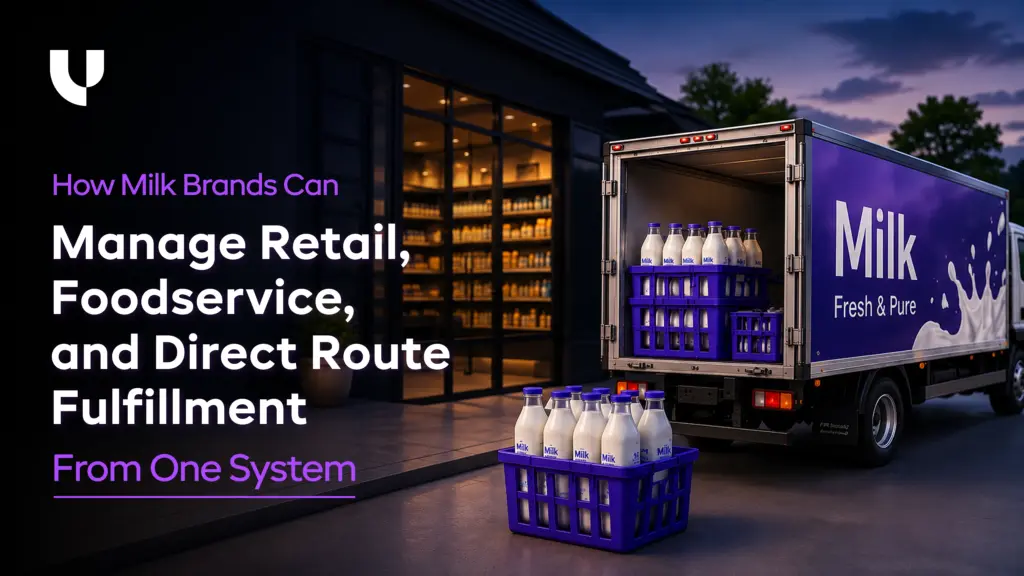
How Milk Brands Can Manage Retail, Foodservice, and Direct Route Fulfillment From One System
Read by: 0

Sanjay Gohel
HOD Odoo
Sanjay Gohel is the Head of Department – Odoo at UNCANNY Consulting Services, specializing in ERP implementation, Odoo development, and software solutions. He helps businesses improve efficiency through customized ERP systems designed to streamline workflows and support operational excellence.

 15 Min Read
Published on July 1st 2026
6 Ways Milk Brands Can Manage Retail, Foodservice, and Direct Route Fulfillment From One System
The challenge isn't that retail, foodservice, and direct route fulfillment operate differently.
The challenge is managing those differences without creating separate processes, inventory views, or sources of truth for each channel.
The most effective dairy operations don't eliminate channel complexity. They build systems that can handle it consistently.
Here are six ways milk-processing ERP software helps bring retail, foodservice, and direct-route fulfillment into a single, connected workflow.
1. Manage Channel-Specific Order Rules From One Order Management System
A retail order, a foodservice order, and a direct route order may all contain the same milk products, but they rarely follow the same fulfillment process.
The supermarket chain may request advance shipping notices (ASNs), certain pallet labels, and very strict receiving documentation. Different pack sizes, delivery windows, or picking instructions could be required by a foodservice customer. Direct route deliveries are often affected by route sequencing, customer-specific delivery notes, and proof-of-delivery requirements.
When these rules are managed manually, operations teams end up relying on experience and memory to ensure each order is handled correctly. The more orders you have, the easier it is to fuck up.
How does a milk processing ERP help?
A milk-processing ERP system allows channel-specific workflows to be built directly into the order process.
Retail orders can automatically trigger ASN generation and compliance labeling requirements. Foodservice orders can follow their own picking and fulfillment rules. Direct route orders can generate route-specific delivery instructions and load sheets.
Instead of remembering what each customer requires, the system applies the correct process automatically when the order is entered.
How does UncannyCS help?
UncannyCS configures Odoo's sales, inventory, and fulfillment workflows around each customer's operating requirements. Channel-specific order rules are embedded at the account level, helping teams manage retail, foodservice, and direct-route fulfillment from a single connected dairy ERP platform.
Retail, foodservice, and direct route orders follow the correct workflow automatically from the moment they are entered. Teams spend less time manually checking customer-specific requirements, and fulfillment errors caused by missed compliance steps or incorrect order handling become less common.
2. Allocate Stock Across All Three Channels in Real Time
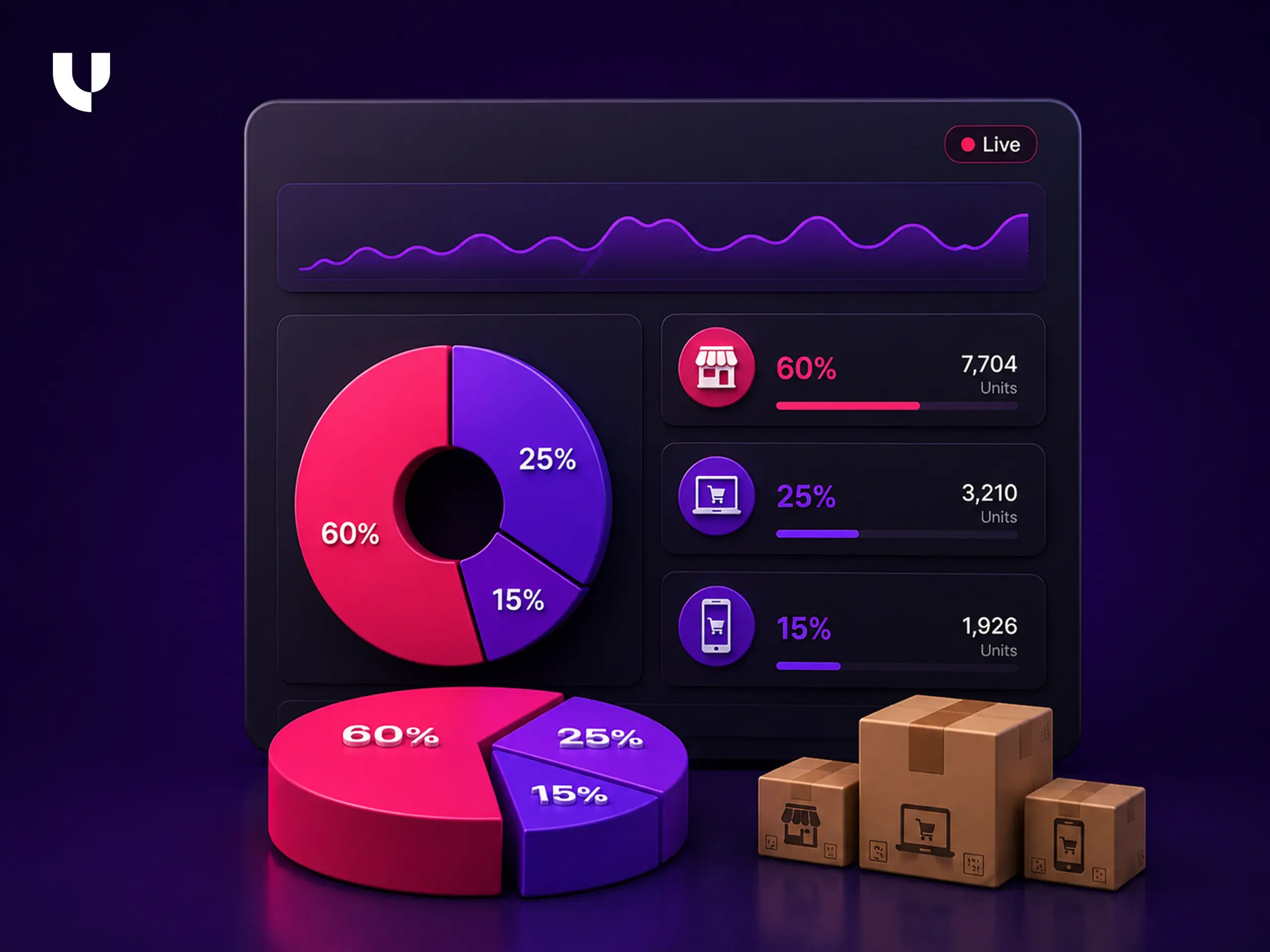
A production batch is available in inventory.
Retail believes the stock is available for an upcoming promotion. Foodservice has already committed part of the same inventory to a customer contract. Direct route planning assumes the stock will be available for tomorrow's deliveries.
Nobody realizes there is a conflict until orders are being prepared for dispatch.
By then, every option is expensive. One customer receives a short shipment, another receives a delayed order, and operations teams are left deciding which commitment to break.
How does a dairy ERP software solution help?
A connected dairy ERP software solution reserves inventory when orders are confirmed rather than waiting until dispatch.
This prevents the same batch from being committed to multiple channels simultaneously. Allocation rules may also be used to prioritize inventory by shelf life, customer needs, and fulfillment priorities.
For instance, you could send stock with a shorter shelf life via direct-route deliveries and keep inventory with a longer shelf life for retail customers with tighter receiving windows.
With inventory shortages, the conflict is immediate, so teams can make better allocation decisions before they begin their fulfillment activities.
How does UncannyCS help?
Team UncannyCS helps milk brands configure inventory allocation logic and other essential aspects, such as FEFO inventory rules, shelf-life controls, and fulfillment priorities, across multiple Odoo channels.
Such custom configuration gives dairy manufacturers a unified view of inventory across retail, foodservice, and direct-route operations while reducing stock allocation conflicts.
This way, inventory allocation decisions happen earlier and with better information. Stock conflicts are identified before dispatch, short-dated inventory is used more effectively, and teams spend less time resolving last-minute fulfillment issues between channels.
3. Connect Production Planning to Multi-Channel Demand
A large retail order is confirmed on Monday.
By Wednesday, a foodservice customer increases their weekly requirement. On Thursday, direct route demand comes in higher than expected.
Individually, none of these changes seems unusual. The challenge is that production is often working from a separate planning spreadsheet that doesn't immediately reflect what is happening across all three channels.
That could result in production schedules based on outdated demand assumptions. By the time the mismatch is visible, inventory is already allocated, production has already begun, and fulfillment teams are left trying to manage the fallout.
How does a dairy ERP software solution help?
A connected dairy manufacturing software solution links production planning directly to confirmed demand across retail, foodservice, and direct route operations.
When new orders are confirmed or demand changes, production planners can immediately see how those changes affect inventory requirements, manufacturing schedules, and available stock across all channels. Instead of reconciling multiple spreadsheets at the end of the day, teams work from a single demand picture.
This allows production decisions to be made proactively rather than reacting to fulfillment issues after they occur.
How does UncannyCS help?
UncannyCS configures Odoo's manufacturing, inventory, and sales workflows so production planning reflects demand across every channel. This helps milk brands move away from disconnected planning processes and create a more accurate link between customer demand and production output.
With a team of experts redefining manufacturing operations, production plans reflect actual demand across retail, foodservice, and direct route operations. Planners have more time to respond to changes in demand, while fulfillment teams face fewer surprises due to disconnected production and inventory planning.
4. Build Retail Compliance Into the Dispatch Workflow
What usually creates the problem?
The order has been picked. The truck is loaded. The delivery is ready to leave.
Then someone realizes a required document is missing.
Retail fulfillment often involves far more than shipping products from one location to another. Advance shipping notices (ASNs), retailer-specific labels, batch information, pallet documentation, and receiving requirements must all be completed correctly before a shipment can be accepted.
When these steps require manual preparation, compliance errors become much more likely, especially during busy fulfillment periods.
How does a dairy ERP software solution help?
A milk-processing ERP system can generate compliance documentation directly from the confirmed order and the allocated inventory batch.
ASNs, delivery notes, compliance labels, and shipment records become part of the fulfillment workflow instead of separate tasks completed shortly before dispatch. Because the documentation is connected to order and batch information already stored in the system, the risk of manual errors is significantly reduced.
The result is a more consistent retail fulfillment process and fewer compliance-related issues at the receiving stage.
How does UncannyCS help?
UncannyCS configures customer-specific compliance workflows within Odoo, ensuring that retail documentation, labeling requirements, and dispatch processes align with each retailer's requirements. This helps dairy manufacturers maintain compliance standards as retail volumes grow.
The outcome? Retail orders leave the facility with the required documentation, labels, and shipment information already attached. Compliance-related delays become less frequent, and operations teams spend less time preparing paperwork shortly before dispatch.
5. Optimize Direct Route Load Planning From Live Stock Data
The route plan was created yesterday, and the stock position changed overnight.
A production run finished later than expected. A customer order was added. Another order was canceled. By the time drivers arrive at the depot, the inventory available on paper no longer matches what is actually available for loading.
Operations teams then spend valuable time adjusting load sheets, reallocating products, and contacting customers about delivery changes that could have been avoided earlier.
For milk brands that manage direct-route fulfillment, these small planning gaps can quickly affect delivery performance and customer satisfaction.
How does a dairy ERP software solution help?
A connected dairy ERP software solution builds route loads using live inventory data rather than relying on the previous day's stock counts or manually updated spreadsheets.
Customer-specific delivery requirements, route instructions, packaging returns, substitution preferences, and delivery notes can all be attached to the order record. If stock availability changes before dispatch, route plans can be updated before vehicles leave the depot.
This gives route planners a more accurate picture of available inventory while reducing last-minute adjustments on delivery day.
How does UncannyCS help?
UncannyCS configures Odoo's inventory, sales, and delivery workflows so that route planning reflects real-time stock availability. For dairy manufacturers managing direct delivery operations, this helps connect warehouse inventory, production output, and route fulfillment within a single system.
With experts planning the business, route plans are built using current inventory rather than yesterday's assumptions. Drivers leave with more accurate load information, route changes are easier to manage, and customer delivery issues caused by stock mismatches become less common.
6. Trace Every Order Back to the Production Batch Across All Three Channels
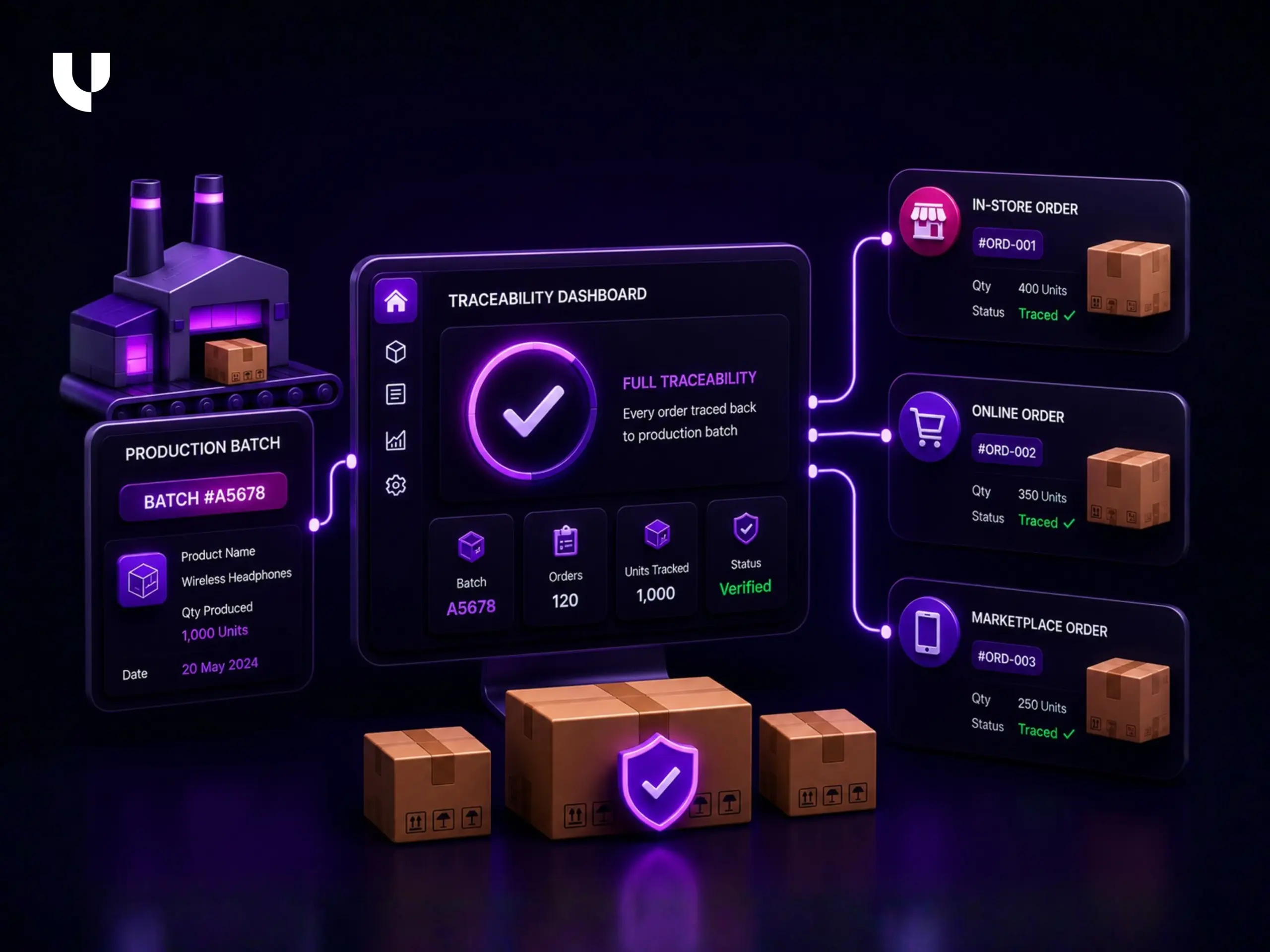 A retailer reports a product quality issue.
The first question is simple:
Which batch did it come from?
The answer is often less straightforward when retail, foodservice, and direct-route operations maintain separate records. Teams start searching spreadsheets, delivery records, warehouse logs, and production paperwork to identify where the product came from and which customers received it.
The longer that process takes, the greater the operational and compliance risk becomes.
How does a dairy ERP software solution help?
A milk-processing ERP system connects production, inventory, fulfillment, and delivery records through a single traceability chain.
From the finished product, teams can trace back to the production batch, processing record, intake lot, and inventory movement history. At the same time, they can identify which retail customers, foodservice accounts, or direct route deliveries received products from the affected batch.
This allows quality investigations, recalls, and compliance reviews to be managed from one system rather than across multiple disconnected records.
How does UncannyCS help?
UncannyCS combines batch traceability, shelf-life controls, FEFO inventory management, and compliance workflows with Odoo to address the traceability challenges faced by dairy manufacturers shipping through multiple fulfillment channels.
Thanks to streamlined operations, businesses can accelerate investigations, improve recall readiness, and strengthen compliance performance throughout the manufacturing and delivery cycle.
Want to start a project with us?
Empowering businesses to achieve greatness through strategic guidance and innovative solutions.
Book A Demo
Found this post helpful? Be sure to share it with your network!


About Author
Sanjay Gohel is the Head of Department – Odoo at UNCANNY Consulting Services, specializing in ERP implementation, Odoo development, and software solutions. He helps businesses improve efficiency through customized ERP systems designed to streamline workflows and support operational excellence.


Sanjay Gohel is the Head of Department – Odoo at UNCANNY Consulting Services, specializing in ERP implementation, Odoo development, and software solutions. He helps businesses improve efficiency through customized ERP systems designed to streamline workflows and support operational excellence.